Exploring the vertigo cs2 map
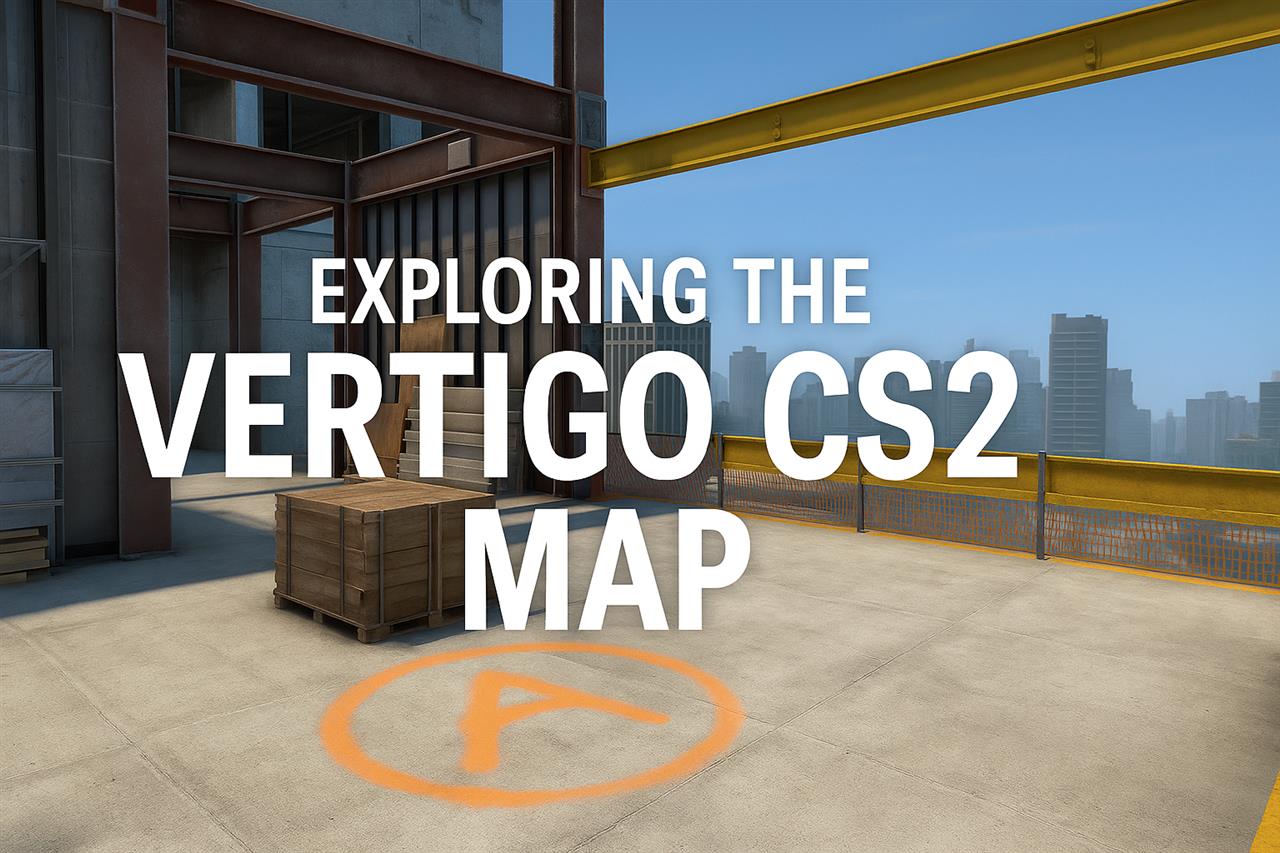
The Vertigo map in Counter-Strike 2 (CS2) is one of the most iconic and unique additions to the competitive pool. Set high atop a skyscraper under construction, Vertigo offers a gameplay experience quite unlike any other map in the game. With its verticality, tight corridors, and multi-level exchanges, it presents both a visual and strategic challenge that keeps players on their toes.
Overview of Vertigo's Layout
Vertigo is structured around two bombsites - A and B - both accessible through a series of narrow passages, lift shafts, and open construction floors. The map is relatively compact compared to traditional CS2 maps, which creates intense firefights and constant contact between teams. Its vertical nature often leads to unexpected encounters and the need for players to be hyper-aware of noise cues and flanking possibilities.
Bombsite A
Bombsite A is one of the most contested sites in the game, with numerous angles and pathways that make it a hotbed for early-round conflicts. Attackers often push through the ramp area, attempting to gain control of the site from the lower construction platform. Defenders, meanwhile, typically establish early presence from the upper scaffold and elevators, setting the pace for engagements.
Bombsite B
Bombsite B, although harder to reach for attackers, can offer significant payoffs when controlled successfully. The site is smaller and more enclosed, located near the edge of the building. Attackers advancing toward B usually move through the mid-lane or construction route, requiring solid coordination to break through the defensive setups often established at this site.
Strategic Depth and Team Tactics
Vertigo’s dynamic and layered layout requires teams to bring a high level of coordination and communication. With multiple vertical levels and flanking routes, gaining map control is essential. Smokes, flashes, and mollies are indispensable tools for both offense and defense, necessitating refined utility usage.
Controlling Mid
Mid control is a pivotal part of winning rounds on Vertigo. Gaining access to this central area opens up the map and provides the attacking team with flexibility to rotate between sites or apply pressure on unsuspecting defenders. Effectively using mid allows a team to manipulate rotations and exploit gaps in the defense.
Sound Cues and Rotations
One of Vertigo’s defining characteristics is the importance of sound cues. Since the map is relatively compact, footsteps and in-game actions resonate through the structure, giving defenders and attackers clues as to their opponents’ positions. At the same time, quick rotations become a key advantage, allowing both sides to adapt and respond in real-time to changing threats.
Visuals and Design Updates in CS2
With the transition to CS2 and the Source 2 engine, Vertigo has received several visual and gameplay tweaks. Textures are more detailed, lighting is more realistic, and shadows play a bigger role in spotting enemies. These graphical enhancements help improve situational awareness and immersion for both competitive and casual players.
Performance Optimization
Updates in CS2 have also brought performance improvements and smoother gameplay mechanics to Vertigo. Frame rate stability and better player movement help maintain a consistent experience, even during high-pressure moments. These enhancements not only benefit professional play but also make for a better experience for players across skill levels.
Community and Competitive Scene
Vertigo's inclusion in the competitive map pool has sparked debate amongst players and analysts, with opinions often divided about its unique structure and style. Despite this, it remains a consistent choice in top-tier matches, with many professional teams developing map-specific strategies tailored to its nuances.
Training and Practice
Given the distinct nature of Vertigo, many players dedicate time to practicing it specifically. Learning callouts, movement options, and utility placements can make a significant difference. Providers of workshops and training servers often include Vertigo-focused resources to help players sharpen their skills.
Conclusion
Vertigo remains one of the most challenging maps in CS2 due to its unique combination of vertical design, tight corridors, and strategic depth. Whether you're an experienced competitor or a newcomer aiming to increase your map knowledge, mastering Vertigo can enrich your overall gameplay and provide a rewarding competitive experience. As strategies continue to evolve and the map receives ongoing support, Vertigo is set to remain a compelling arena for CS2 enthusiasts.